Why Everyday Athletes Need a Recovery Routine
- Regen-Fit
- Nov 20, 2025
- 5 min read

You do not need to be a professional athlete to push your body. In fact, most people who consider themselves everyday athletes work far harder than they realize. Maybe you wake up early to squeeze in a workout before work. Maybe you juggle a full-time job, parenting, errands, and long commutes. Maybe you train on weekends, stay active with friends, or simply spend long hours on your feet or at your desk. All of that takes a toll on your body. The problem is that many everyday athletes treat recovery as optional. They stretch a little when something hurts or rest only when they feel exhausted. They push through tightness and assume soreness is a normal part of life.
Recovery is not optional. It is the foundation that allows your body to perform, adapt, and stay pain free. Without it, progress slows down, injuries become more common, and long-term discomfort starts to feel unavoidable. The truth is simple. If you train, move, work, or stay active in any way, you are an athlete. And every athlete needs a consistent recovery routine.
Here is why.
Your Body Can Only Perform When It Has Time to Repair
Every movement you do creates stress on the body. Lifting weights, going for a run, walking long distances, carrying kids, doing yard work, or sitting for hours all create small forms of strain. Muscles tighten. Joints compress. Tendons work harder. The body is designed to adapt, but adaptation requires one key thing: recovery.
Recovery is the period where muscles repair, joints decompress, and the nervous system resets. Without it, the body cannot restore its baseline strength or mobility. When you ignore recovery for days or weeks, the strain builds up. You may not notice it at first. It starts as mild tightness or a small decrease in energy. Over time, it becomes slower progress, stiffness during everyday tasks, and eventually, discomfort that gets harder to ignore.
A recovery routine gives your body the chance to rebuild. When you recover consistently, you gain strength faster, move with more ease, and reduce the risk of long-term pain. It is the missing half of a balanced fitness lifestyle.
Soreness and Stiffness Are Signals, Not Badges of Honor
Many everyday athletes think soreness means progress. While some soreness is normal after certain types of exercise, chronic soreness is a warning sign. So is stiffness in the morning, tightness in the hips or shoulders, and the feeling that your body never fully relaxes.
These signals often appear in people who train without giving their body enough care afterward. Tight muscles restrict movement. Restricted movement leads to poor technique. Poor technique increases injury risk, even during simple tasks.
A recovery routine for everyday athletes helps you respond to these signals instead of ignoring them. Simple tools like massage balls, resistance bands, or acupressure mats can release tension, improve circulation, and reset the body before soreness builds into something more serious.
Your body is always speaking to you. A solid recovery routine helps you understand what it is saying.
Desk Jobs Count as Athletic Stress
Many people assume that if they are not regularly lifting heavy weights or running miles each week, they do not need recovery. This idea is completely false. Sitting for hours at a time creates tight hip flexors, weak glutes, rounded shoulders, compressed joints, and poor circulation. This is one of the most damaging forms of stress your body can experience.
Desk workers often feel:
• lower back pain
• neck stiffness
• shoulder tightness
• limited mobility in the hips
• tension headaches
These issues come from muscle imbalance caused by long periods of inactivity, not from overtraining. A recovery routine gives your body a break from these patterns. A few minutes of mobility work, stretching, or targeted release work can undo hours of tension.
You do not need to be in the gym to need recovery. Your daily habits create stress that needs to be managed.
Recovery Improves Long-Term Health and Longevity
Movement is important, but quality of movement is even more important. When your body moves well, you avoid unnecessary strain. When your joints and muscles stay healthy, you keep your independence and mobility for years to come.
A recovery routine supports long-term health by:
• improving joint mobility
• increasing circulation
• reducing inflammation
• preserving range of motion
• preventing chronic pain
• improving posture
• lowering stress levels
Good recovery habits support the body as it ages. They help you stay active longer, feel better each day, and enjoy a stronger quality of life.
Recovery Helps You Stay Motivated and Consistent
One of the biggest reasons people stop working out or pursuing fitness goals is discomfort. If workouts always hurt, or if daily life feels like constant soreness, the motivation to stay active drops. When your body feels good, movement becomes enjoyable. That encourages consistency. Consistency builds progress. Progress builds confidence.
Recovery plays a direct role in this cycle. When soreness is manageable and mobility improves, workouts feel lighter. When your energy levels rise, you feel more willing to move. When you see progress, you want to keep going.
Everyday athletes do not need intense recovery sessions. They need consistent, manageable routines that support long-term habits.
A Good Recovery Routine for Everyday Athletes Does Not Need to Be Time Consuming
One of the biggest misconceptions about recovery is that it requires long sessions or expensive treatments. In reality, everyday athletes benefit most from short, daily recovery habits that keep the body balanced.
A simple routine may include:
• five minutes of stretching in the morning
• a quick mobility circuit during lunch
• a few minutes of self massage before bed
• movement breaks during long desk sessions
• gentle breathing to relax the nervous system
You do not need to spend an hour doing recovery work. Small, repeated habits create powerful long-term results.
Affordable Tools Make Recovery Easier and More Effective
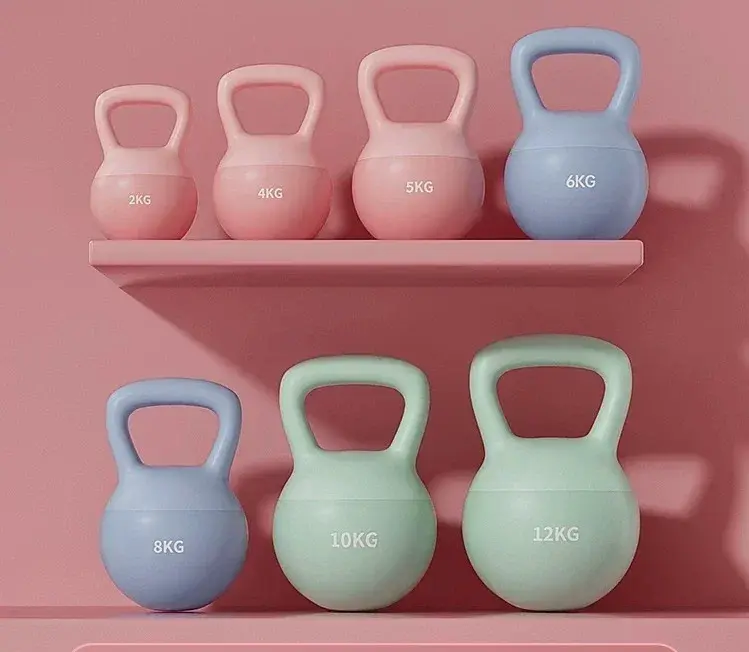
Recovery tools allow you to target tight or overworked areas quickly. Tools such as mobility balls, soft kettlebells, massage rollers, acupressure mats, and handheld massagers offer fast relief at home. They make recovery simple, accessible, and repeatable.
Regen-Fit focuses on affordable tools that provide real benefits without the high cost of therapy visits. These tools allow everyday athletes to take care of their bodies anywhere and at any time.
A Recovery Routine Helps You Avoid Injury Before It Happens
Injury is not random. Most injuries come from imbalances, tightness, and movement patterns that have been neglected. When you stretch, mobilize, and release tension consistently, you correct these issues before they become injuries.
Everyday athletes often stop moving only when pain forces them to. A recovery routine keeps you ahead of the problem. Prevention is always easier and more affordable than treatment.
Final Thoughts
If you move your body, you are an athlete. And every athlete needs recovery. It does not matter if you lift weights, chase kids, sit in an office, or run on weekends. Your body deserves a routine that helps it repair and reset.
Recovery does not need to be complicated. It only needs to be consistent. With simple habits, affordable tools, and a clear plan, you can reduce soreness, move with confidence, and stay active without carrying pain into the future.

Comments